Vera Becker · 29 September 2026
User Strategies for Sustaining Momentum After Unexpected Backend Provider Switches in Niche Online Communities
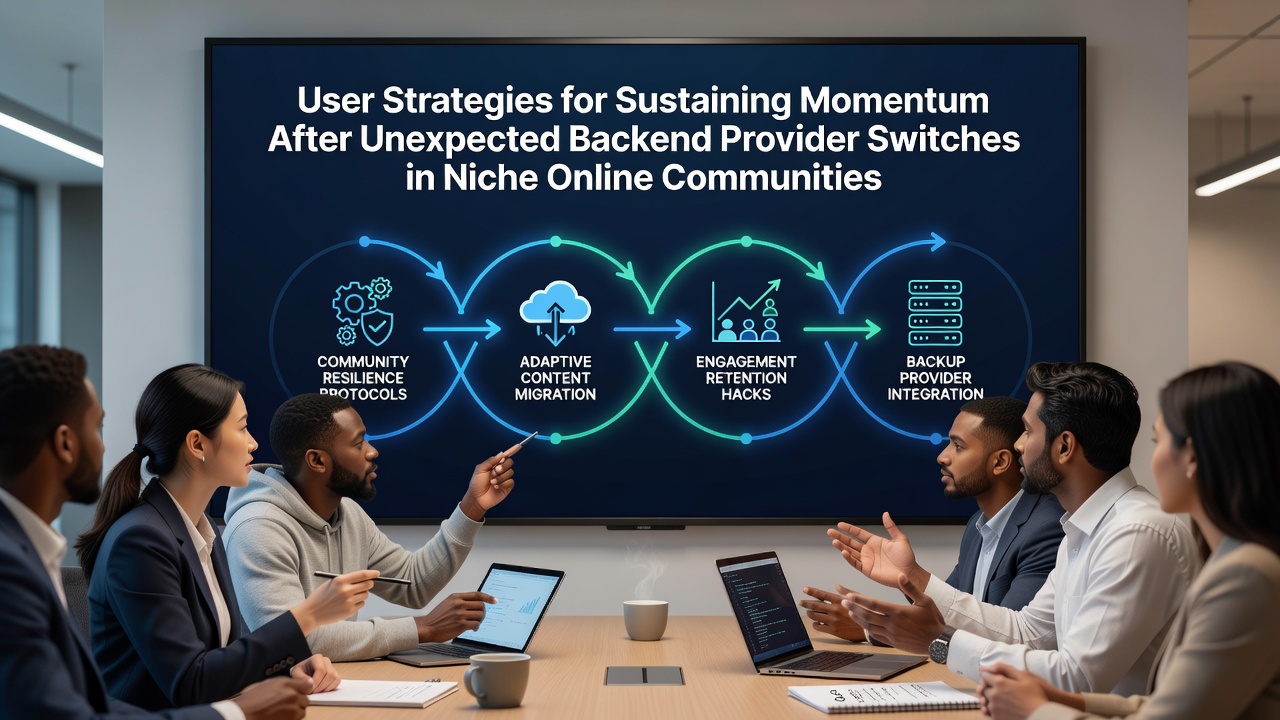
Backend provider switches occur when niche online communities move from one hosting service or database system to another often due to pricing shifts or service interruptions and these changes can disrupt user activity patterns while affecting data continuity. In September 2026 reports from multiple regions showed that smaller forums and specialized discussion groups experienced such transitions at higher rates than in prior years because infrastructure costs rose across providers. Communities that prepare in advance maintain engagement levels better than those caught off guard and observers note several recurring approaches that help preserve activity during these periods.
Recognizing Early Signs of Provider Instability
Users in niche communities track performance metrics such as load times and uptime logs because sudden spikes in errors often precede announcements about backend changes and those who monitor these indicators can alert others before full disruption sets in. Data from industry analyses indicate that groups with dedicated monitoring roles respond faster when providers issue notices about contract endings or feature deprecations. Research indicates that communities using shared dashboards for these metrics experience fewer prolonged drop-offs in participation because members stay informed through consistent updates rather than scattered rumors.
Establishing Redundant Communication Channels
Many communities set up parallel accounts on secondary platforms like alternative forums or messaging services while the primary backend undergoes migration because this setup allows conversations to continue without complete interruption. Figures reveal that groups distributing links to these backups early in the process retain higher return rates once the main site stabilizes. Experts have observed that clear instructions on where to find temporary spaces prevent fragmentation and help members coordinate the return to the original location once technical issues resolve.
Archiving and Migrating Content Systematically
Participants often export threads and media files in advance of switches since data loss during transfers can erase years of accumulated knowledge and those efforts usually involve standardized formats that work across different backend systems. Studies from academic institutions show that communities documenting their export procedures in shared guides complete migrations with less downtime than those handling files ad hoc. One example involved a hobbyist electronics forum that used automated scripts to back up posts weekly and this practice allowed quick restoration after an unexpected provider cutover in early 2025.
Coordinating Member Roles During Transitions
Assigning specific tasks to volunteers such as testing new interfaces or moderating cross-posted content keeps momentum steady because divided responsibilities reduce the load on any single person. According to findings from a Canadian research paper on digital group dynamics, communities that rotate these roles maintain steadier participation across the switch period. Members who document their processes in wikis or shared documents create resources that new arrivals can follow which supports ongoing growth rather than stagnation.

Leveraging External Tools for Continuity
Integration with third-party analytics and notification services helps track returning users after the backend stabilizes and data shows these tools provide measurable insights into which strategies yield the quickest recovery. Industry reports from European digital trade groups highlight cases where communities combined email lists with in-platform polls to gather feedback on the new setup and this combination informed quick adjustments. People who've navigated multiple switches note that testing integrations beforehand avoids compatibility problems that could otherwise extend recovery time.
Measuring Recovery and Adjusting Approaches
Post-switch analysis of engagement statistics allows communities to identify which tactics worked and which need refinement because raw numbers on active threads and return visits reveal patterns over weeks rather than days. A university study based in Australia tracked several niche groups through provider changes and found that iterative feedback loops produced sustained activity levels compared with static plans. Those who've studied these events emphasize that ongoing measurement turns isolated incidents into opportunities for stronger infrastructure choices in future transitions.
Conclusion
Communities facing unexpected backend provider switches benefit from proactive monitoring, redundant channels, systematic archiving, role coordination, tool integration, and regular measurement because each element addresses different aspects of momentum loss. Reports compiled through September 2026 confirm that groups applying these methods across varied regions recover participation faster than unprepared counterparts. Observers continue to document these patterns as infrastructure landscapes evolve and the collected evidence guides future preparations in similar niche environments.