Zara Hansen · 15 September 2026
Tracing the Evolution of Trust Metrics Following Platform Relocations
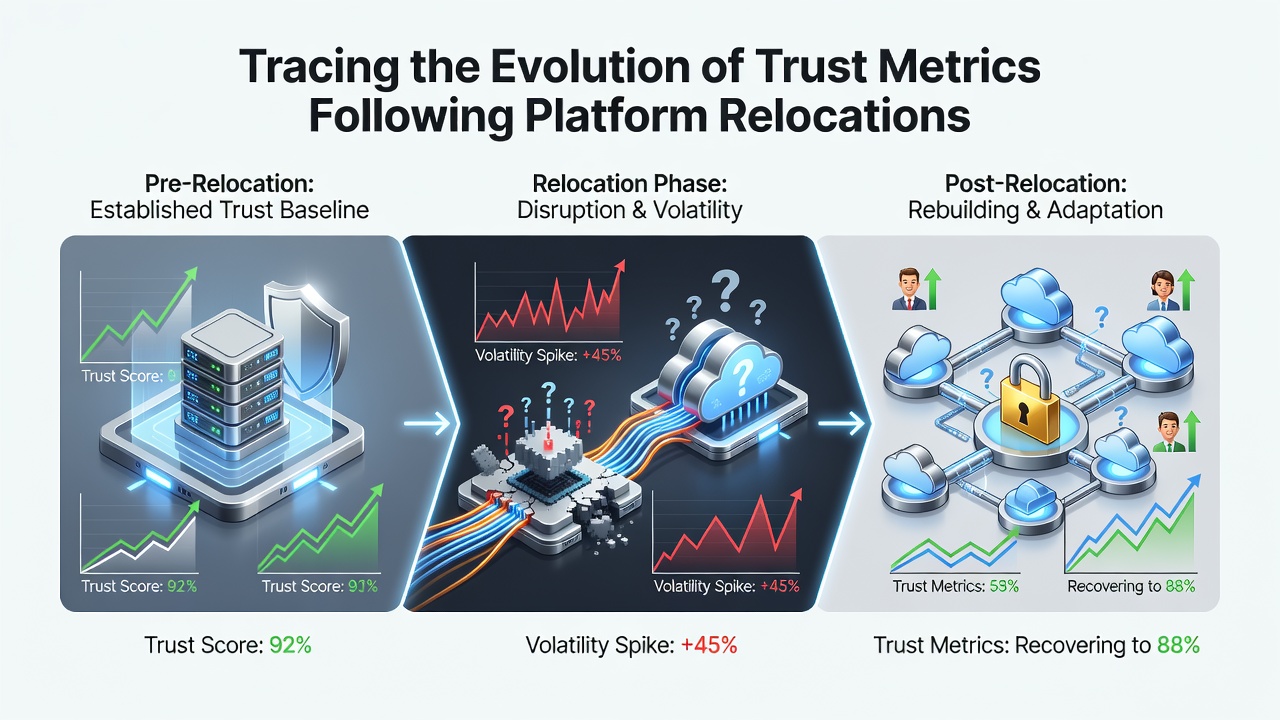
Platform relocations have reshaped how organizations measure and maintain trust across digital ecosystems, with metrics adapting to shifts in infrastructure, jurisdiction, and user expectations over the past two decades. Researchers tracking these changes note that early focus centered on basic indicators like domain registration age and server location, yet these evolved as platforms moved between data centers and regulatory environments. Data from industry analyses shows that relocation events often trigger recalibrations in trust scoring systems used by search engines, security auditors, and consumer protection agencies alike.
Early Frameworks and Initial Adaptations
Initial trust metrics relied heavily on static signals such as SSL certificate validity and IP address history, but platform migrations to new hosting environments prompted the introduction of dynamic factors including latency patterns and cross-border data flow compliance. Those who studied migrations in the 2010s observed that companies relocating from shared servers to dedicated cloud instances experienced measurable shifts in third-party trust evaluations. Studies conducted by academic institutions revealed correlations between relocation announcements and temporary dips in user engagement scores, which recovered once new infrastructure demonstrated consistent uptime records. And while basic encryption remained a constant, additional layers like multi-factor authentication logs gained prominence in scoring models.
Regulatory Influences on Metric Development
Government bodies began incorporating relocation data into their oversight frameworks, leading to standardized reporting on how platforms handle user data during transitions. The Innovation, Science and Economic Development Canada published guidelines that highlighted the need for transparent audit trails following infrastructure moves, which influenced similar approaches in other regions. These documents emphasized verifiable metrics around data residency and access controls, prompting platforms to integrate real-time monitoring tools. Observers note that such regulatory inputs accelerated the shift from qualitative assessments to quantitative dashboards that track trust signals across multiple relocation phases.
Case Examples from Major Shifts
One documented instance involved a large e-commerce network that transferred operations to a new regional data hub in 2022, resulting in updated trust algorithms that weighted post-move performance indicators more heavily than pre-relocation history. Another example comes from a content delivery network that underwent jurisdiction changes, where external evaluators adjusted their scoring to account for new compliance certifications issued by local authorities. Research indicates that platforms which published detailed migration reports saw faster restoration of baseline trust levels compared to those that provided minimal disclosure. These patterns demonstrate how relocation events serve as catalysts for refining existing metrics rather than discarding them outright.
Technical Components in Modern Evaluations
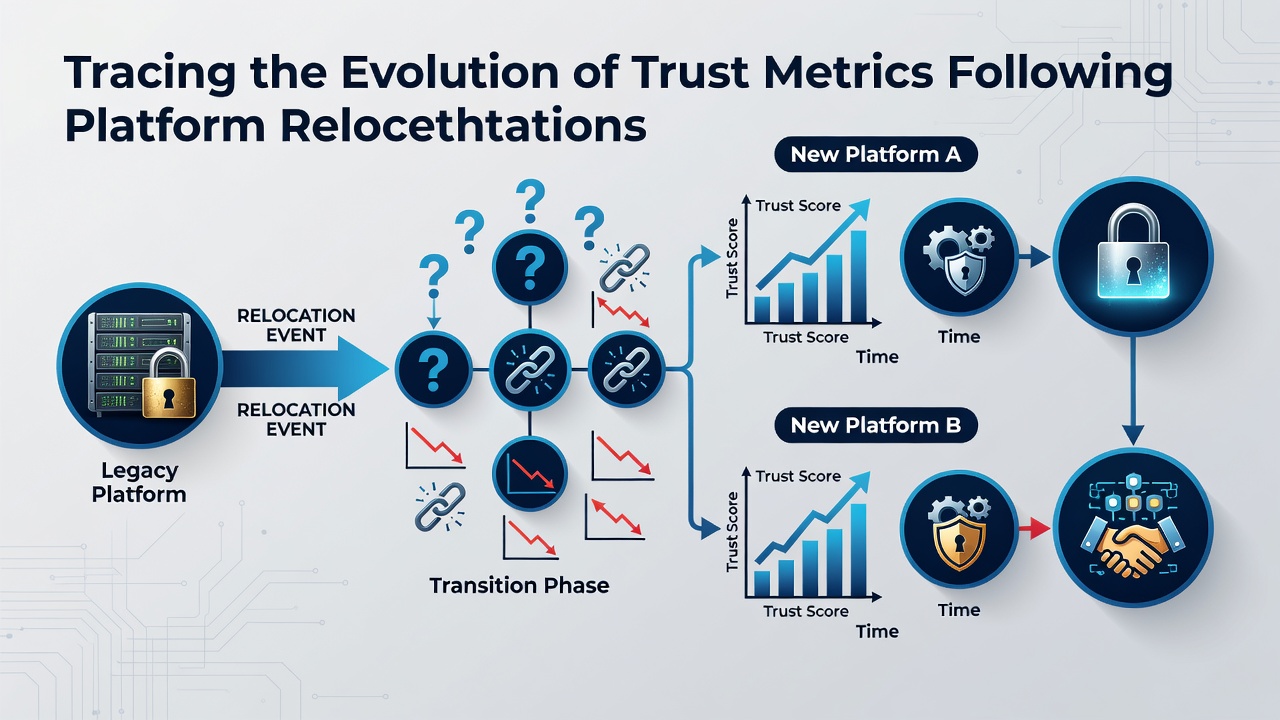
Contemporary trust metrics now blend traditional elements with advanced signals derived from machine learning models that analyze relocation impacts on network behavior. Factors such as certificate transparency logs and domain name system propagation times have become standard inclusions following several high-profile moves. Engineers responsible for these systems report that automated alerts trigger when relocation-related anomalies appear in traffic data, allowing proactive adjustments. According to findings from various technical reports, the integration of these components has reduced false positives in trust assessments by measurable percentages across tested environments.
Developments Anticipated Around September 2026
Preparations for upcoming infrastructure transitions scheduled around September 2026 include enhanced focus on sustainability metrics tied to relocation decisions, as platforms seek to align with emerging environmental standards. Analysts expect that new evaluation criteria will incorporate energy consumption data from target facilities alongside conventional security indicators. This timeline aligns with broader industry efforts to standardize cross-platform trust exchanges, where relocated services must demonstrate equivalent or improved performance thresholds. Evidence from pilot programs suggests that early adopters of these combined metrics achieve smoother transitions in user perception tracking.
Conclusion
The progression of trust metrics in response to platform relocations reflects ongoing adaptation to technological and regulatory landscapes, with each major shift contributing incremental refinements to evaluation methods. Data collected over successive migration cycles continues to inform more robust frameworks that balance historical performance with forward-looking indicators. Those monitoring these trends recognize that continued evolution depends on collaboration between technical teams, oversight agencies, and platform operators to ensure metrics remain relevant amid future changes.